
Battery lifespan · charge cycles · maintenance
Battery Lifespan and Charge Cycles in Rechargeable LED Modules
For the VC-LN120 battery option covered here, Vcan specifies 4400mAh, approximately 800 cycles to 80% remaining capacity, and more than eight hours at maximum brightness after a full charge. Understanding these separate figures helps you plan both daily operation and longer-term maintenance.
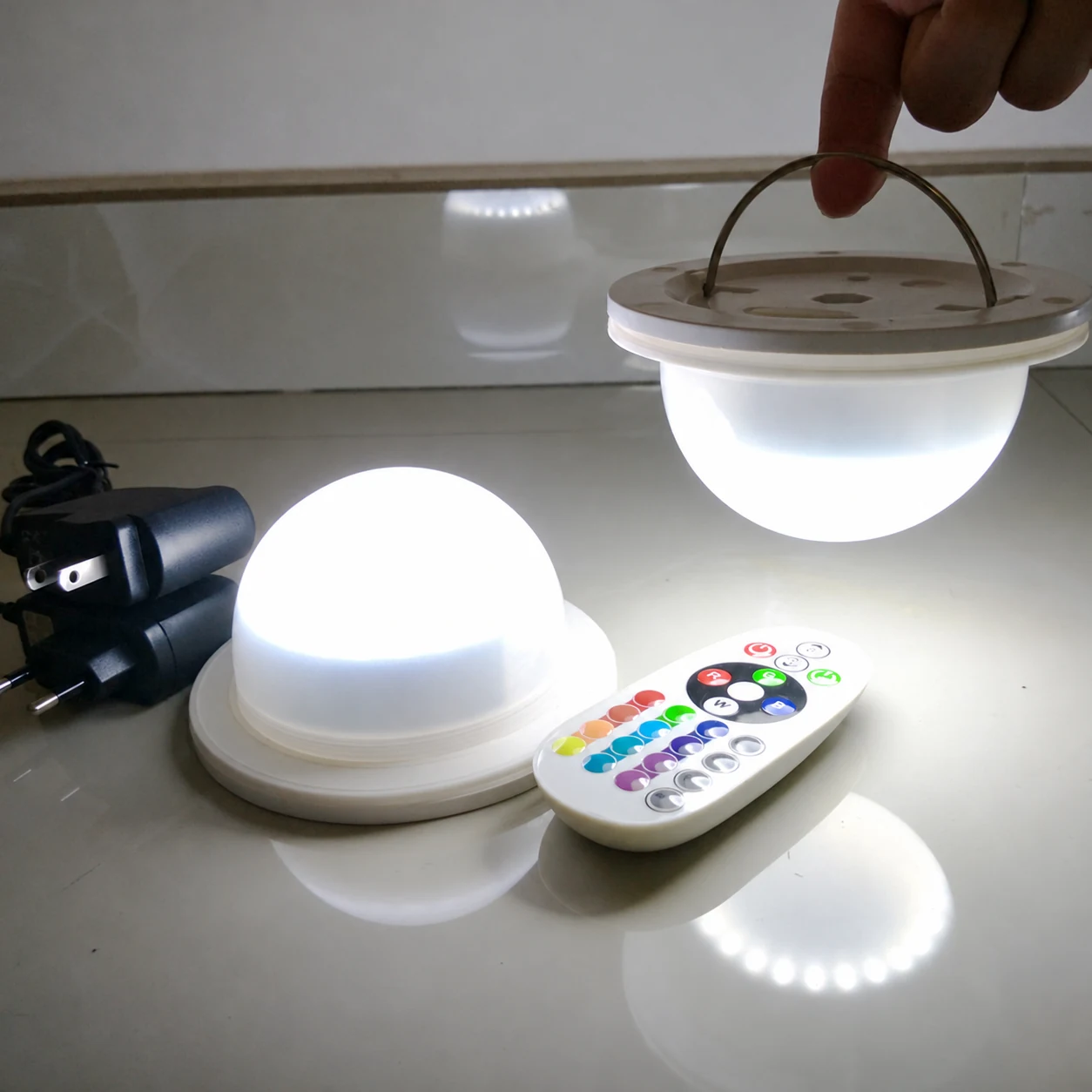
VC-LN120: battery capacity, cycle life and runtime.
When someone asks how long a rechargeable LED light battery lasts, they may mean the hours available for an event or the battery's useful life after repeated charging. A quotation should identify both.
| Measure | Vcan reference | What it helps you plan |
|---|---|---|
| Battery configuration | 4400mAh rechargeable lithium battery for VC-LN120 | The battery option being discussed and retained for later orders |
| Cycle life | Approximately 800 cycles to about 80% remaining capacity | Capacity retention through repeated use under the applicable test conditions |
| Runtime per charge | More than 8 hours at maximum brightness after a full charge | The operating period for this configuration, with the intended light mode confirmed |
These are Vcan-supplied parameters for the stated battery option. Ask us to confirm the battery revision, cycle-test conditions and runtime colour mode for the version you are ordering.
The VC-LN120 product page covers the module platform and installation details. This guide focuses on interpreting the battery specification and planning continued use.
Keep runtime, battery lifespan and LED lifetime separate.
| Buyer's question | Relevant measure | Useful information to request |
|---|---|---|
| Will the light cover tonight's event? | Runtime after one charge | Battery version, brightness, colour mode and the agreed operating duration |
| How will the battery perform after repeated charging? | Cycle life and capacity retention | The battery specification, test conditions and remaining-capacity endpoint |
| How long will the light-producing components last? | LED/component lifetime | The relevant component and operating conditions; this does not establish battery life |
A rechargeable light unit can meet a full evening's requirement when new while still needing a separate long-term maintenance plan. An LED lifetime stated in hours does not answer how many charge cycles its battery supports.
For a detailed operating-time discussion, use our LED module runtime, brightness and battery guide. Keep that sample result alongside the battery-life specification when comparing options.
A charging session and a full cycle are different counts.
An equivalent full cycle represents cumulative discharge equal to a battery's full capacity. For example, using about half its capacity, recharging, then using about half again amounts to roughly one equivalent full cycle. Two connections to the charger therefore need not represent two full cycles.
This is a general way to explain partial use; the reported cycle life of a particular battery must still follow its manufacturer's test protocol. Apple's lithium-ion battery explanation illustrates cumulative charge-cycle counting. It is a terminology reference, rather than evidence for the VC-LN120 specification.
When comparing suppliers, ask what their cycle figure means: which battery was tested, how it was charged and discharged, the temperature, and the capacity used to define the endpoint. Matching those conditions makes the comparison useful.
80% remaining capacity describes retention as the battery ages.
For the stated VC-LN120 option, the approximately 800-cycle figure is paired with an approximately 80% capacity endpoint. Both belong in the specification. A cycle count without the remaining-capacity criterion leaves an important part of the claim unclear.
Capacity retention compares an aged battery's charge-holding capacity with its original capacity. State of charge describes how full the battery is now. An aged battery can show a full charge while holding less than it did when new.
The 80% figure is not a countdown to sudden failure at cycle 801, and it is not an instruction to charge the module only to 80%. Whether the remaining performance suits your product depends on the working hours and light level you need.
Capacity retention also does not give an exact future runtime by simple multiplication. Check useful operating time in the approved lighting mode when deciding whether a light remains suitable for its job.
Plan for the way the finished light will actually be used.
A restaurant using its lights every evening and an event business using them on selected dates have different schedules. Record the required hours, light setting, charging window and storage arrangement. Those details make a battery-life discussion more useful than turning a cycle count into a fixed number of years.
Lithium-ion battery capacity changes with use and time. Charging and storage conditions matter too. Apple's battery-care guidance explains the effect of high temperatures on capacity. Use the operating and storage limits supplied for your selected Vcan configuration; temperature limits for another device are not specifications for your module.
- Approve the real setting: test the light inside its intended housing, at the colour and brightness you will use.
- Keep the charging set identified: retain the matching cable, adapter or induction base with the module version.
- Compare like with like: if runtime changes, compare the same light setting and a completed charge before deciding what needs attention.
- Keep the version record: note changes to the battery, electronics or accessories when ordering more units.
The charging-configuration guide covers matching the battery, charging circuit and supply. For rental fleets, see planning spare LED modules for event furniture.
Review the battery pack and housing before arranging maintenance.
Replacing a battery in an LED furniture light starts with identifying the existing module. Two packs marked with the same mAh value can have different electrical connections, physical dimensions or protection arrangements. Ask for a matched option for the actual module.
Service access also depends on the enclosure. A sealed module and an accessible housing need different arrangements, including how the assembly and sealing are restored after service. Confirm the suitable maintenance route before opening or modifying a unit.
For an existing light, start with the model and a short description of the problem. A photograph of the module or battery label can help if available. The replacement compatibility review provides a starting point when the original model is unknown.
If the aim is longer operating time within a fixed housing, our 85mm battery-upgrade case shows one reviewed capacity and space solution. It is a separate configuration; its repeat orders do not establish the cycle life of other batteries.
What should be agreed before ordering?
| Record | What to confirm |
|---|---|
| Selected configuration | Module model and battery option, with revisions identified |
| Daily operating target | Required hours, brightness and colour mode in the finished product |
| Battery cycle specification | Cycle count, remaining-capacity endpoint and applicable test conditions |
| Charging and storage | Matching equipment and the instructions for the selected version |
| Future service | How a battery or complete-module replacement will be reviewed when needed |
Keep this with your sample approval record. A runtime test confirms the sample's operating time at that setting; cycle-life evidence addresses repeated charging over a different test programme.
Frequently asked questions
How many charge cycles does the VC-LN120 battery support?
For the 4400mAh rechargeable lithium battery option discussed in this guide, Vcan specifies approximately 800 cycles to about 80% remaining capacity. Confirm the applicable battery revision and cycle-test conditions for your order. This figure should not be transferred to every Vcan module or converted into a fixed number of service years.
How long does the VC-LN120 run after a full charge?
Vcan's reference for this configuration is more than eight hours at maximum brightness after a full charge. Confirm the intended colour mode and operating conditions when approving your sample. Runtime per charge and battery cycle life are separate specifications.
Does 80% remaining capacity mean the battery is only charged to 80%?
No. Remaining capacity describes how much charge the aged battery can hold relative to its original capacity. State of charge describes how full it is at that moment. An aged battery can be fully charged while holding less energy than when it was new.
Does one connection to the charger count as one full cycle?
Not necessarily. An equivalent full cycle combines discharged capacity adding up to a full battery's capacity, so partial use can accumulate across charging sessions. A supplier's cycle-life claim must also be read with its actual test protocol; a plug-in count alone does not establish the tested cycle count.
Can I calculate battery lifespan in years from the cycle count?
A cycle figure alone is insufficient. Usage frequency, depth of discharge, elapsed time, temperature, storage and charging conditions affect the comparison. Plan around the approved battery specification and the way your finished product will be used.
Can I replace the battery in an LED furniture light?
That depends on the module's housing, sealing and battery arrangement. Ask Vcan to review the existing model and battery specification before choosing a replacement pack or complete module. Capacity alone does not establish electrical, mechanical or charging compatibility.
Does a shorter runtime always mean the battery needs replacing?
It needs checking first. Compare the same light setting, a completed charge and the approved charger before drawing a conclusion. Send the model and a short description of the change; Vcan can review what information is needed next.
Match the battery to the intended use
Review battery life for your LED module project.
Tell us the module you use or the product you are developing, and the operating hours you need. Vcan can review the relevant battery configuration, charging arrangement and maintenance questions with you.