
Sample received · before production approval
How to Test an LED Module Sample Before a Bulk Order
Check the light as your customer will use it—not only as a bare module on a desk.
Go to the sample test record →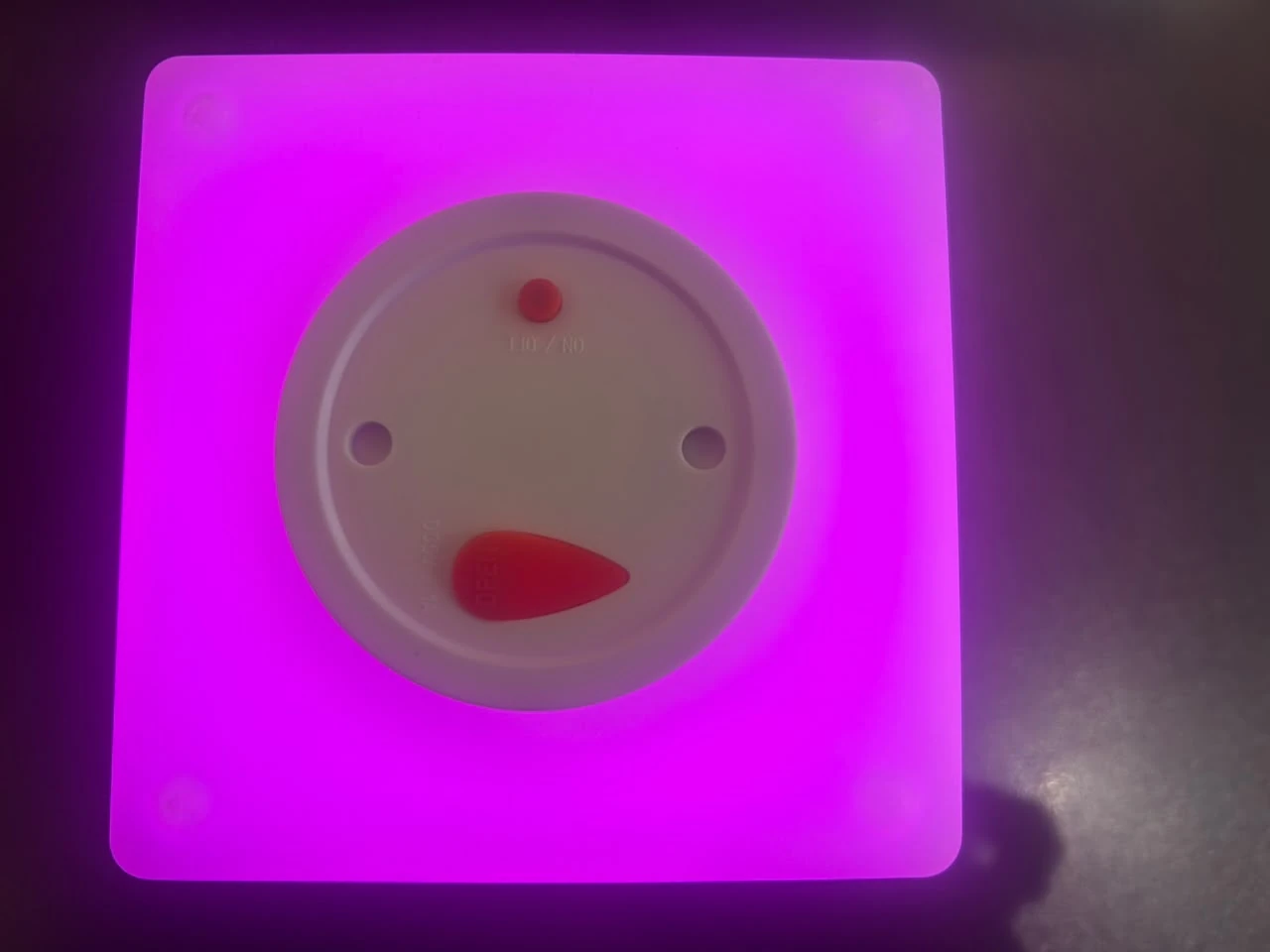
Before approving a rechargeable LED module for a bulk order, check its physical fit, visible light, controls, operating time and charging routine in the intended product housing. Record the sample version and the settings used. A sample that lights up is a useful starting point, but it does not yet confirm that customers can install, operate and recharge the finished product as intended.
This checklist is for buyers who already have a sample. If you are still choosing a platform, start with the rechargeable LED module buying guide. Agree the targets for your own project first; the checklist does not impose one brightness, runtime or control specification on every Vcan model.
1. Does it fit—and can users still reach what they need?
Use the actual shell or a representative prototype. Check the opening, available depth, mating surfaces and the chosen fixing structure. Do not force a sample into an opening or change the shell simply because the nominal diameter looks close.
For Vcan's threaded 45 mm, 60 mm, 75 mm and 90 mm modules, check the matching shell thread and sealing-ring position. For screw-fixed versions, check the specified mounting points and seal. VC-SP120 uses a separate ring that stays on the furniture while the complete module twists out. The module mounting guide explains these distinct arrangements.
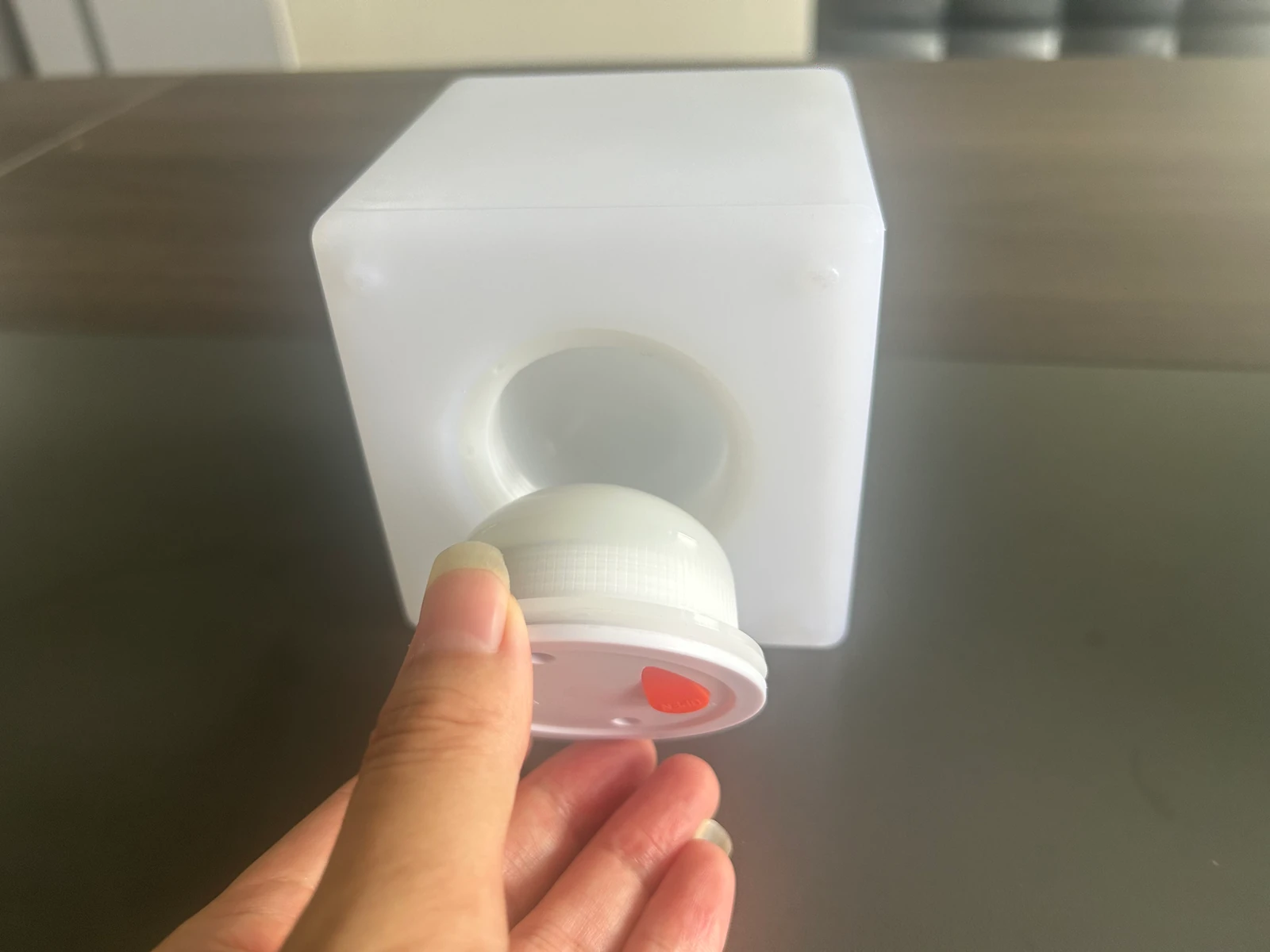
After fitting, check access to the button and charging connection. If removal is part of the charging routine, try the intended removal and refitting sequence without pulling on cables. Magnets connecting an induction module to its charging base are not a furniture mounting method.
2. Does the light look right inside your finished lamp?
Check the complete product from the viewing positions and in the surroundings relevant to its use. Look for an overly bright area near the module, a dim upper section or an uneven appearance. Photograph the setup to explain concerns, but do not treat a phone photograph as a calibrated measurement of brightness or colour temperature.
Try each white-light or colour setting that matters to the brief. Brightness and white-light appearance are separate requirements: a lower brightness setting does not define a warmer white specification. If you need measured output or colour-quality values, agree the measurement method and acceptance limits rather than approving by eye alone.
In the custom remote and warm-white project, the customer wanted a warmer appearance when the light was used with white glass. The useful lesson is to check the module in the final lamp. It is not a promise that every shell changes light in the same way.
3. Can someone operate the lamp without your explanation?
Write down the expected action and check the actual response: on/off, dimming, white-light selection, colour modes and any agreed timer. Distinguish a short press from a long press. Check every agreed brightness level rather than assuming that a printed symbol describes the programmed function.
The button-controlled white-module guide describes a confirmed short-press dimming and long-press on/off arrangement. That is a configuration example, not the operation of every model. Confirm your own sequence and check that the underside button remains accessible after mounting.
Test the supplied remote with the installed sample at your intended operating positions. If retaining an older remote is part of the brief, test that remote too; appearance alone does not establish control-code compatibility. Record any multi-unit control requirement separately instead of assuming one successful response establishes grouped operation.
4. Does the sample support the real operating and charging routine?
Use the charger, cable or charging base specified for the sample and follow its charging instructions. For the operating trial, record the starting charge, light mode, brightness setting, start time, finish time and why you stopped—for example, the agreed booking duration ended or the light was no longer suitable for the intended use.
If the product needs several operating settings, record separate results for the relevant settings. Do not present a result at a low brightness level as a full-brightness runtime, or transfer a result from one battery configuration to another. Agree repeat trials and acceptance criteria with Vcan where consistency matters; one observation is not a guarantee of every production unit.
Check the charging workflow as well as elapsed time. Can staff reach the port, position the product on the matching induction base, or remove a VC-SP120 module for separate charging? Is the routine practical for the number of products they will handle?
Do not open a sealed battery pack, substitute an unverified charger or perform an improvised water test. Stop using or charging a damaged unit or one showing swelling or unusual heat, and contact the supplier. A functional sample check is not a safety certification or proof of the finished product's ingress protection. Review the applicable quality and compliance documents separately.
Keep a sample test record you can use for approval.
Copy these fields into your project notes. For each check, include the agreed target, observed result and status: accepted, change requested or not yet tested. A blank or untested item should not silently become an approval.
- Sample identity
- Model, sample date/version, battery and LED configuration; photos of supplied accessories
- Housing and mounting
- Shell version, opening, depth, fixing arrangement, seal and access observations
- Light and controls
- White-light or colour setting; each brightness step; button and remote actions
- Runtime trial
- Starting charge, selected mode/brightness, start time, finish time and reason for stopping
- Charging routine
- Specified charger/base, charging time observed and practical access after installation
- Decision
- Accepted / change requested / not yet tested, with the agreed target and supporting record
Describe a problem with the setting and installation visible: which button was pressed, which brightness level was selected, which shell was used and what happened. A short video can help explain operation; written settings and times make runtime feedback more useful than a message saying only “the battery is weak.”
Approve the tested configuration, not just a model name.
Confirm the module and drawing revision, light configuration, battery, charger or base, control functions and any agreed artwork or labels. Keep an identifiable reference sample and a written list of accepted changes. If something important changes after testing, identify which checks need repeating before the revised configuration is approved.
Vcan's portable table lamp development case shows how fit, light and control requirements became a sample brief. The documented stage is sample development—not evidence that every target had already passed production testing. This checklist turns that kind of brief into specific observations before a buyer makes the next decision.
Ready to review your sample?
Send the setup and results—not only “it works.”
Share the sample model/version, housing photos, required functions, test settings and results, requested changes and planned quantity. Vcan can review the configuration and agree the next sample or production step with you.
Questions before approving an LED module sample.
Is switching the sample on enough to approve a bulk order?
No. Check it in the intended housing with the supplied accessories, required settings and charging routine. Record any changes and confirm the agreed configuration before production.
Should I test runtime at full brightness or at the setting customers will use?
Test the settings relevant to your product brief. Identify each setting in the record and do not apply a result obtained at a lower brightness to full-brightness operation. Agree the test conditions and acceptance target with Vcan.
Does the same model name guarantee that samples and repeat orders have identical functions?
Not by itself. Identify the approved LED, battery, charging and control configuration and any revision. Custom brightness levels, warm-white settings and remote functions must be confirmed for the order.
Can I approve waterproof performance from a photograph or a home water test?
No. A photograph does not establish ingress protection, and a casual water test is not a substitute for suitable documentation or agreed validation. Review the selected module and complete installation requirements before water exposure.
This is a practical buyer checklist, not a laboratory test standard or a statement that any particular sample has passed. Targets, test conditions, documentation and production acceptance must be agreed for the selected configuration. General battery-handling reference: the Consumer Product Safety Office's lithium-ion battery safety tips support using the manufacturer-recommended charger and stopping use when damage or abnormalities appear; they do not certify Vcan products.